Upcycling Protein Side Streams into Peptide Powders
Protein side streams are no longer just a disposal, feed, or low-value blending problem. For protein hydrolysate manufacturers, they can become a controlled raw material stream for peptide powders, provided the hydrolysis step is engineered around consistency rather than opportunistic recovery.
That is where enzyme selection matters. As an enzyme supplier for protein hydrolysate production, Peptarion helps manufacturers convert variable protein-rich side streams into processable hydrolysates with defined handling behavior, predictable downstream performance, and commercial powder targets.
The business case is simple: recover more usable protein value, reduce waste pressure, and create a peptide ingredient route that production teams can actually run batch after batch.
Why side-stream hydrolysis is difficult at plant scale
Side streams rarely arrive as clean, uniform proteins. They may carry variable solids, fat, minerals, collagen, fiber, ash, heat history, or prior processing damage. Those differences affect how the protein opens, how fast viscosity drops, how peptides develop, and how the hydrolysate behaves in separation and drying.
Common operational issues include:
- Slow or uneven hydrolysis across batches
- Viscosity that falls too late, limiting pumpability and heat transfer
- Over-hydrolysis that increases bitterness risk or changes powder functionality
- Insoluble load that restricts clarification and filtration
- Foaming, fouling, or unstable concentration behavior
- Powder lots that drift from the intended peptide profile or sensory target
A side-stream peptide powder project succeeds when the enzyme system is matched to the raw material, process constraints, and final ingredient use case.
Controlled hydrolysis turns variability into a process window
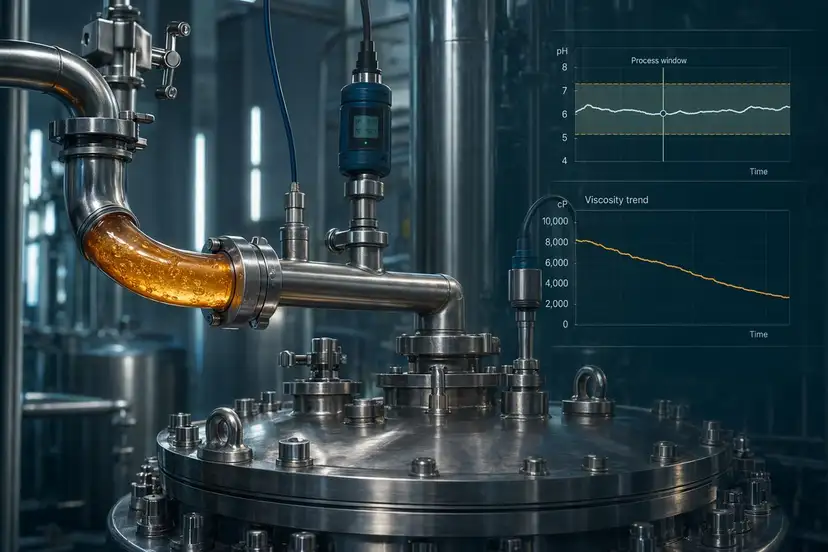
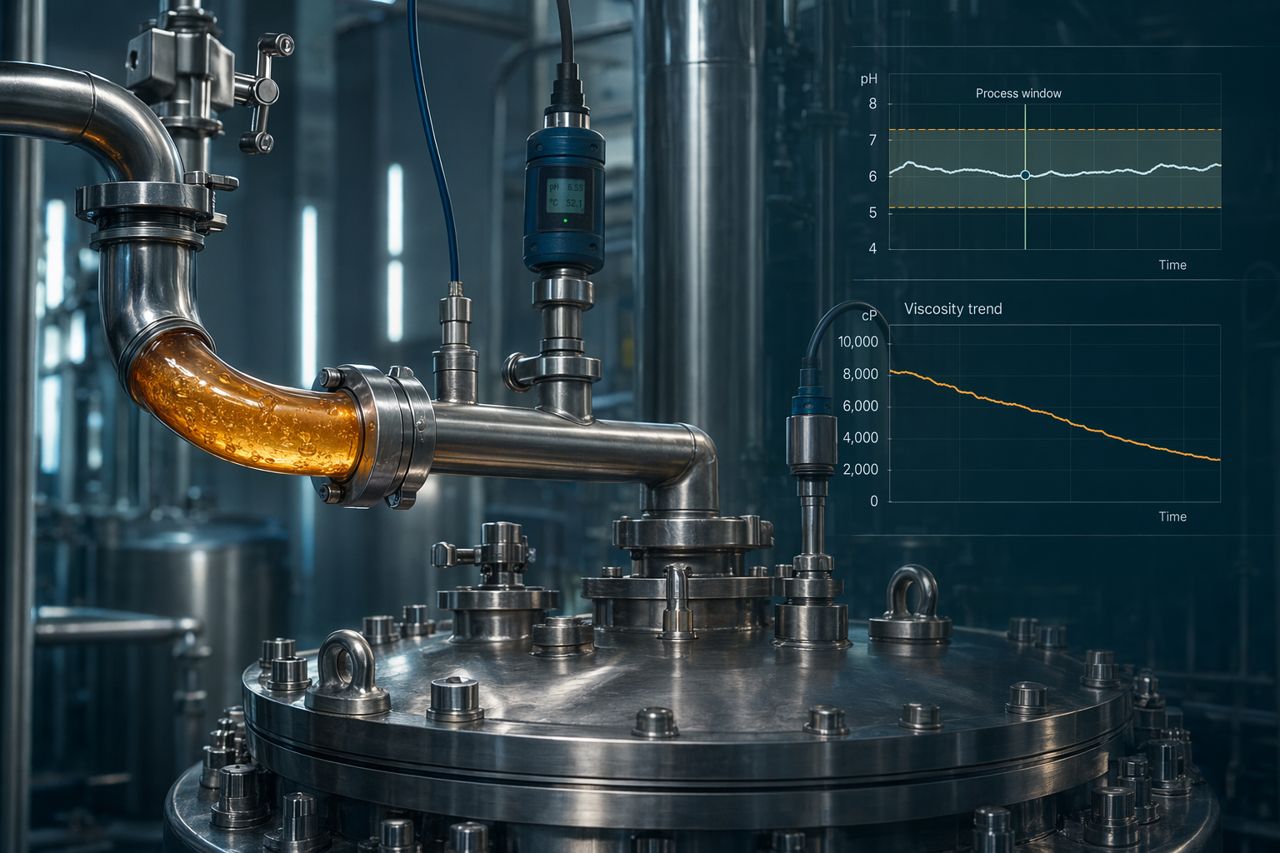
The core objective is not simply to break protein down. The objective is to control the extent, timing, and selectivity of protein breakdown so the line can hit a defined process window.
Peptarion works with production and technical teams to align enzyme choice with practical plant variables:
- Protein source and side-stream composition
- Target degree of hydrolysis range
- pH and temperature limits already available on site
- Residence time and mixing capacity
- Desired viscosity shift during liquefaction
- Bitterness management and peptide size direction
- Enzyme stop strategy
- Clarification, membrane, evaporation, and drying requirements
This approach helps move side-stream upcycling from a trial-based recovery activity to a controlled manufacturing route.
Matching protease systems to side-stream sources
Different side streams need different enzyme strategies. A dairy-derived stream, a meat or fish trimming stream, a plant protein press cake, and a fermentation-derived biomass stream will not respond the same way to a single protease approach.
Animal and marine protein side streams
Animal and marine streams often require strong liquefaction performance and careful control over sensory development. The right protease system can help open dense protein structures, improve soluble recovery, and support manageable separation behavior.
Key concerns usually include fat handling, collagen or connective tissue influence, odor control, and bitterness risk.
Dairy protein side streams
Dairy side streams may need tighter control over peptide development, solubility, heat behavior, and flavor impact. Hydrolysis must be designed so the resulting powder can fit nutritional, functional, or specialty ingredient applications without creating unnecessary downstream instability.
Plant protein side streams
Plant side streams often bring fiber, starch, phenolics, minerals, or anti-nutritional factors. Enzyme selection may focus on improving protein accessibility, reducing viscosity, and supporting separation of soluble peptide fractions from insoluble plant matrix.
Fermentation and microbial biomass streams
Fermentation-derived proteins can vary depending on organism, cell disruption method, and upstream recovery. Enzymatic hydrolysis can support soluble peptide recovery, but the process must account for cell wall material, nucleic components, ash, and clarification load.
What production teams should measure during development
For a peptide powder project, the most useful development data is not only the final protein number. Production teams need to know whether the process is controllable and scalable.
Important observations include:
- Time to visible liquefaction
- Viscosity trend during hydrolysis
- Soluble solids recovery
- Insoluble load after enzyme treatment
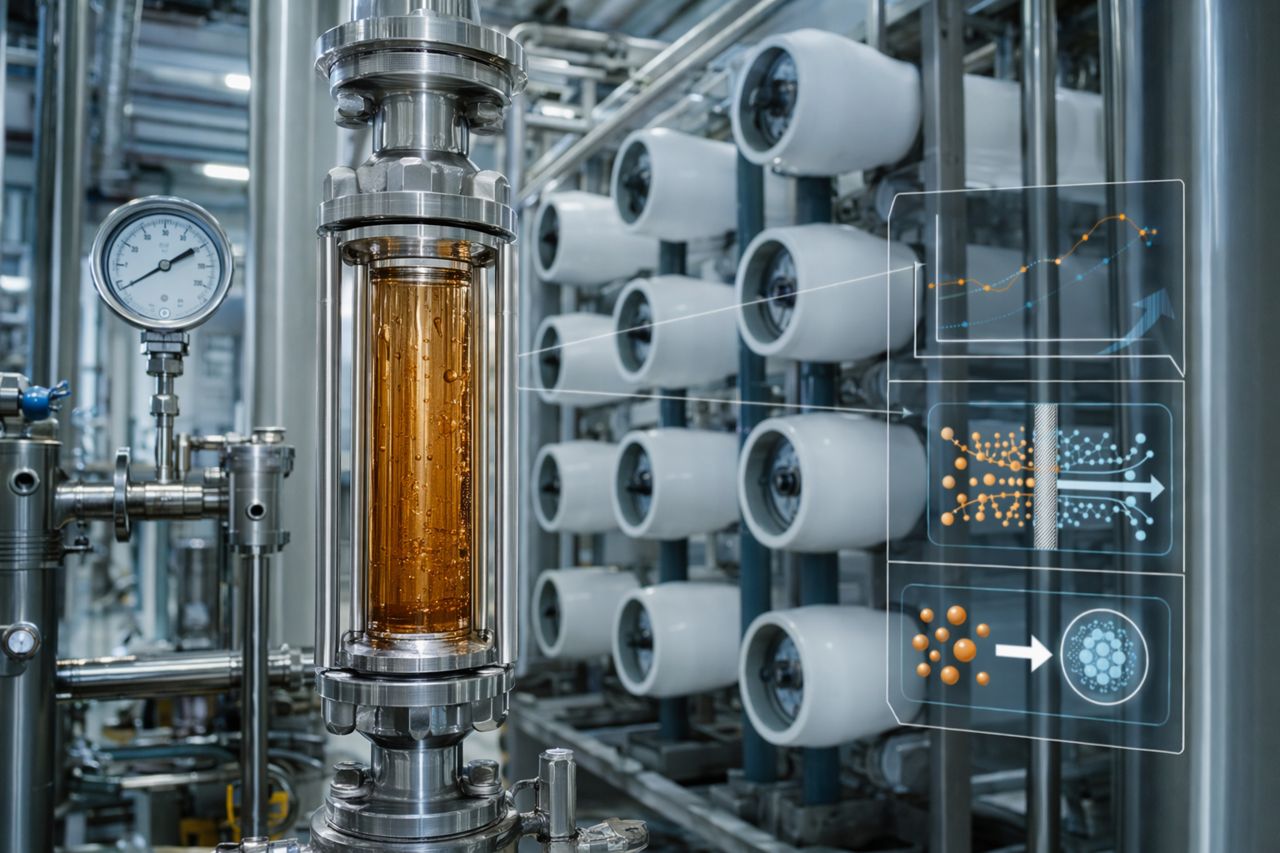
- Clarification rate and filter behavior
- Membrane flux stability, where applicable
- Evaporation behavior and fouling tendency
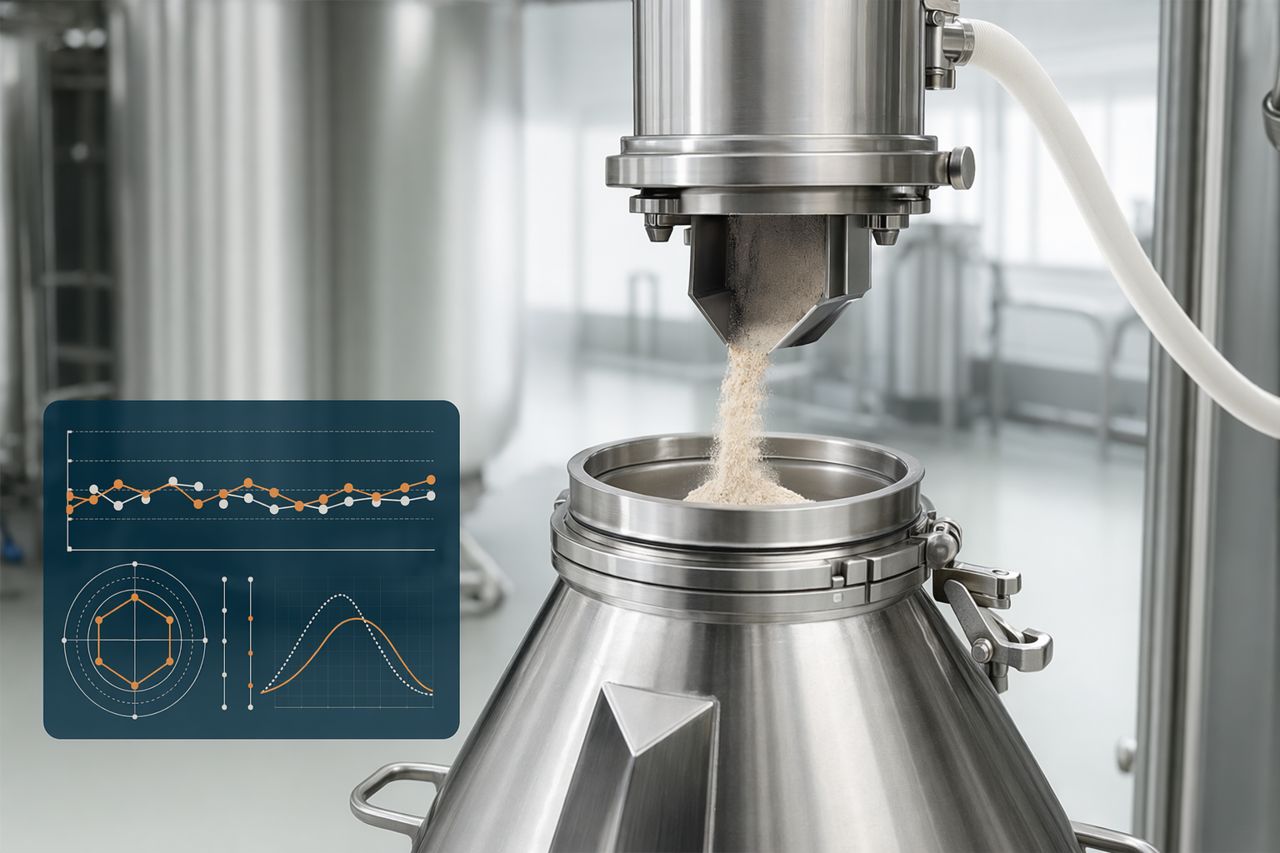
- Spray drying stability and powder handling
- Sensory direction, especially bitterness and odor
- Batch-to-batch repeatability under realistic raw material variation
Peptarion supports enzyme screening and process alignment with these operational outcomes in mind.
The downstream impact of better hydrolysis control
A controlled hydrolysis step improves more than peptide formation. It can influence the entire recovery line.
When the enzyme system is well matched, manufacturers may see:
- More predictable pumpability after initial breakdown
- More stable heating and holding behavior
- Lower risk of overloaded filters or centrifuges
- Cleaner decisions on clarification and concentration
- Better control of final powder solubility and taste direction
- Reduced rework caused by off-spec hydrolysate behavior
- Improved confidence when scaling from pilot to commercial batch size
This is why enzyme decisions should be made with the full process map in view, not as a standalone ingredient purchase.
Building a side-stream peptide powder route
A practical development route usually follows four steps.
1. Define the commercial powder target
Start with the market requirement: nutritional peptide powder, savory base, pet nutrition ingredient, sports nutrition component, fermentation nutrient, or specialty technical ingredient. The intended application shapes the degree of hydrolysis, sensory tolerance, solubility requirement, and protein recovery target.
2. Characterize the side stream
Map solids, protein quality, fat load, minerals, heat history, and known variability. This helps avoid selecting an enzyme system that performs well on one sample but fails when the side stream changes.
3. Screen enzymes under real plant constraints
Screening should use the pH, temperature, mixing, and residence time options that the plant can actually support. A strong lab result is only useful if it can be repeated under production conditions.
4. Validate downstream behavior
Hydrolysis must be evaluated through clarification, concentration, and drying. A hydrolysate that looks good in the reactor but clogs filters or dries poorly is not yet a viable powder route.
Where Peptarion fits
Peptarion supplies enzyme solutions for protein hydrolysate production with a focus on process control, batch consistency, and practical technical support. We help manufacturers select protease systems for side-stream conversion and align enzyme performance with the production realities of hydrolysis, separation, and powder manufacture.
Our role is to support a cleaner path from side stream to value-added peptide ingredient:
- Enzyme selection by protein source and target hydrolysate profile
- Support for process window definition
- Guidance on hydrolysis control points
- Input on downstream filtration and drying considerations
- Scale-up support for production teams
- Supply reliability for recurring manufacturing demand
Request a quote
If you are evaluating a side-stream peptide powder project, Peptarion can help map the enzyme route around your raw material, process limits, and final powder target.
Request a quote through the on-site form and share your protein source, current process conditions, target application, and production scale.