Hydrolyzed Vegetable Protein Market Trends for Seasoning Manufacturers
Hydrolyzed vegetable protein is no longer treated as a commodity flavor base. For seasoning manufacturers, it has become a controlled process ingredient tied directly to savory impact, label strategy, sodium reduction, production reliability, and supply resilience.
As demand rises for cleaner, more consistent umami systems, manufacturers are reviewing how hydrolysis is controlled, how raw materials behave, and how enzyme selection affects downstream processing. Peptarion supports this shift as an enzyme supplier for protein hydrolysate production, helping producers build tighter processing windows and more predictable hydrolysate performance.
Why HVP demand is changing
Seasoning manufacturers are being asked to deliver stronger flavor performance with fewer formulation compromises. Hydrolyzed vegetable protein is attractive because it can contribute savory depth, roasted notes, mouthfeel support, and salt perception enhancement across dry blends, bouillons, sauces, snacks, marinades, and meat alternatives.
The market is being shaped by four practical pressures:
- stronger umami impact without excessive sodium dependency
- cleaner process positioning versus harsh chemical hydrolysis routes
- more consistent sensory profiles from batch to batch
- reliable supply from multiple vegetable protein sources
For production teams, the question is not simply whether HVP demand is growing. The real question is whether the hydrolysis process can deliver the same flavor profile, viscosity behavior, filtration performance, and yield profile every time.
Trend 1: Enzymatic hydrolysis is becoming a process-control decision
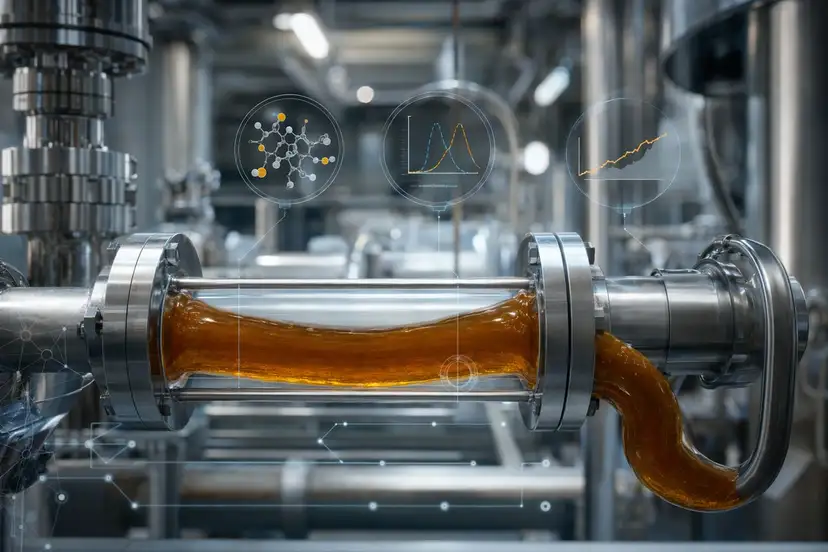
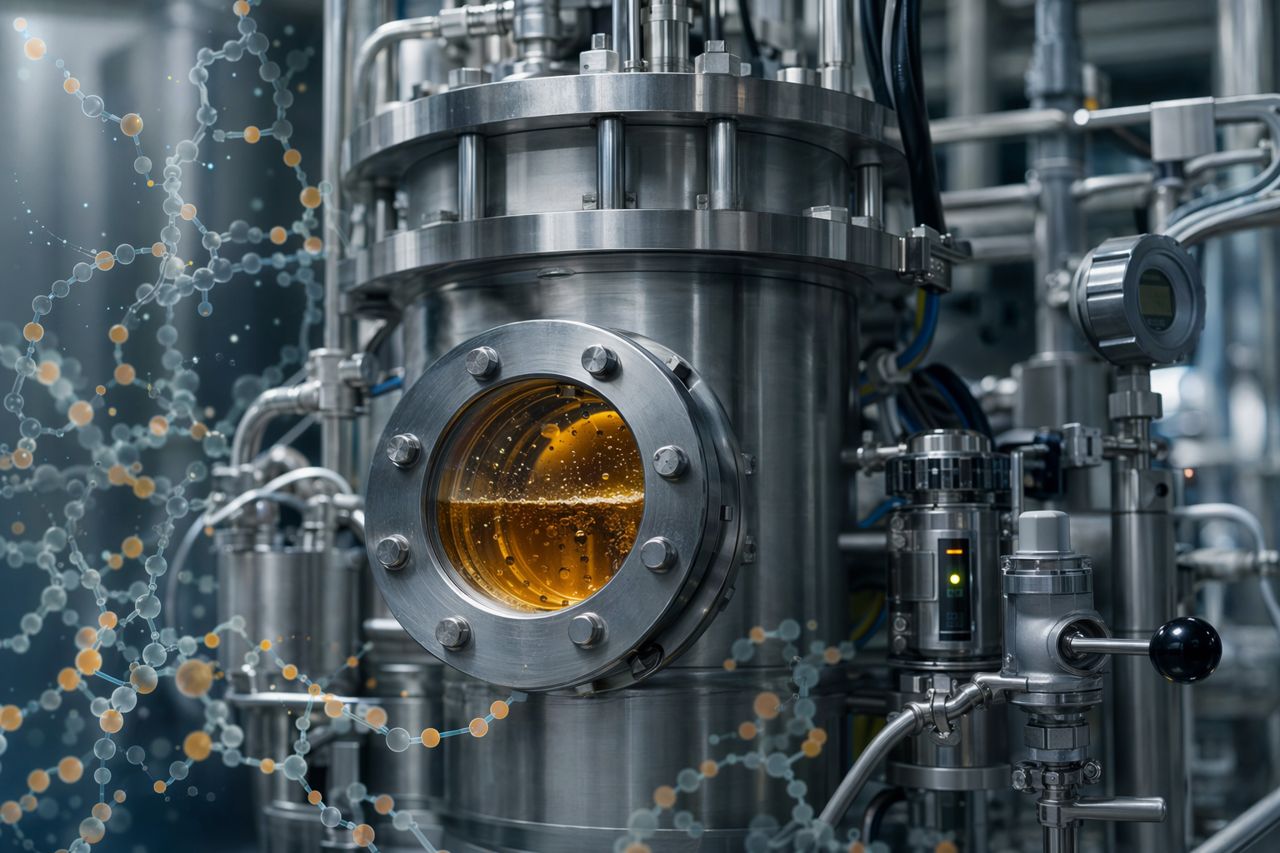
Seasoning buyers want flavor systems that are dependable at scale. That pushes HVP manufacturers toward enzyme-controlled hydrolysis, where protease selection, dosing strategy, residence time, pH control, thermal profile, and inactivation point are aligned to the target peptide profile.
A well-selected enzyme system can help manufacturers:
- improve control over degree of hydrolysis
- reduce over-hydrolysis that can drive bitterness
- support more repeatable flavor development
- manage viscosity shift during processing
- improve compatibility with filtration and concentration steps
- reduce corrective blending between batches
This is why enzyme procurement is increasingly linked to production support, not just price per kilogram. The right supplier must understand how hydrolysis behavior affects the entire line.
Trend 2: Sodium reduction is increasing the value of savory peptide systems
Seasoning brands are under pressure to reduce sodium while protecting taste intensity. HVP can help support salt perception, roundness, and lingering savory character, but performance depends heavily on peptide distribution and soluble flavor components.
For manufacturers, this means hydrolysis control matters more than broad protein breakdown. The goal is not maximum degradation. The goal is a reproducible peptide profile that supports the target application.
In practical terms, sodium-reduction programs require HVP with:
- consistent umami lift
- controlled bitterness
- stable solubility in finished systems
- predictable interaction with yeast extract, nucleotides, vegetable powders, spices, and process flavors
- dependable color and aroma contribution
Enzyme choice influences each of these outcomes.
Trend 3: Raw material flexibility is becoming a competitive advantage
Soy remains important, but seasoning manufacturers are broadening their protein source options. Pea, wheat, rice, corn, sunflower, chickpea, fava bean, and mixed vegetable substrates are being evaluated for cost, label fit, allergen positioning, regional availability, and flavor direction.
Each substrate behaves differently in hydrolysis. Protein structure, starch content, fiber, anti-nutritional factors, lipid carryover, and pre-treatment history can affect slurry handling, hydrolysis rate, separation, and final sensory profile.
Manufacturers that build enzyme flexibility into their process can respond faster when raw material availability changes. This supports purchasing resilience and reduces dependence on a single protein stream.
Trend 4: Bitterness control is a commercial requirement
As plant proteins gain traction, bitterness management becomes more visible. Some vegetable proteins release bitter peptides if hydrolysis is pushed too far or if the enzyme profile is not matched to the substrate.
Seasoning customers may tolerate strong savory notes, but they will not accept harsh bitterness that carries through into finished formulations. Enzyme systems can be designed to balance primary hydrolysis with peptide refinement, helping producers maintain flavor impact while controlling bitter edges.
Operationally, this requires close attention to:
- enzyme specificity
- hydrolysis endpoint definition
- heat treatment timing
- solids loading behavior
- post-hydrolysis clarification
- sensory checks linked to production records
A supplier that understands both process and application can help reduce trial-and-error during scale-up.
Trend 5: Filtration and concentration behavior are now part of enzyme selection
Many hydrolysate problems do not appear in the reactor. They appear downstream.
Poorly controlled hydrolysis can lead to difficult clarification, unstable fines, membrane fouling, slow throughput, inconsistent concentrate behavior, and variation in spray-drying performance. These issues create cost even when the flavor profile is acceptable.
For HVP manufacturers, enzyme selection should consider the full production path:
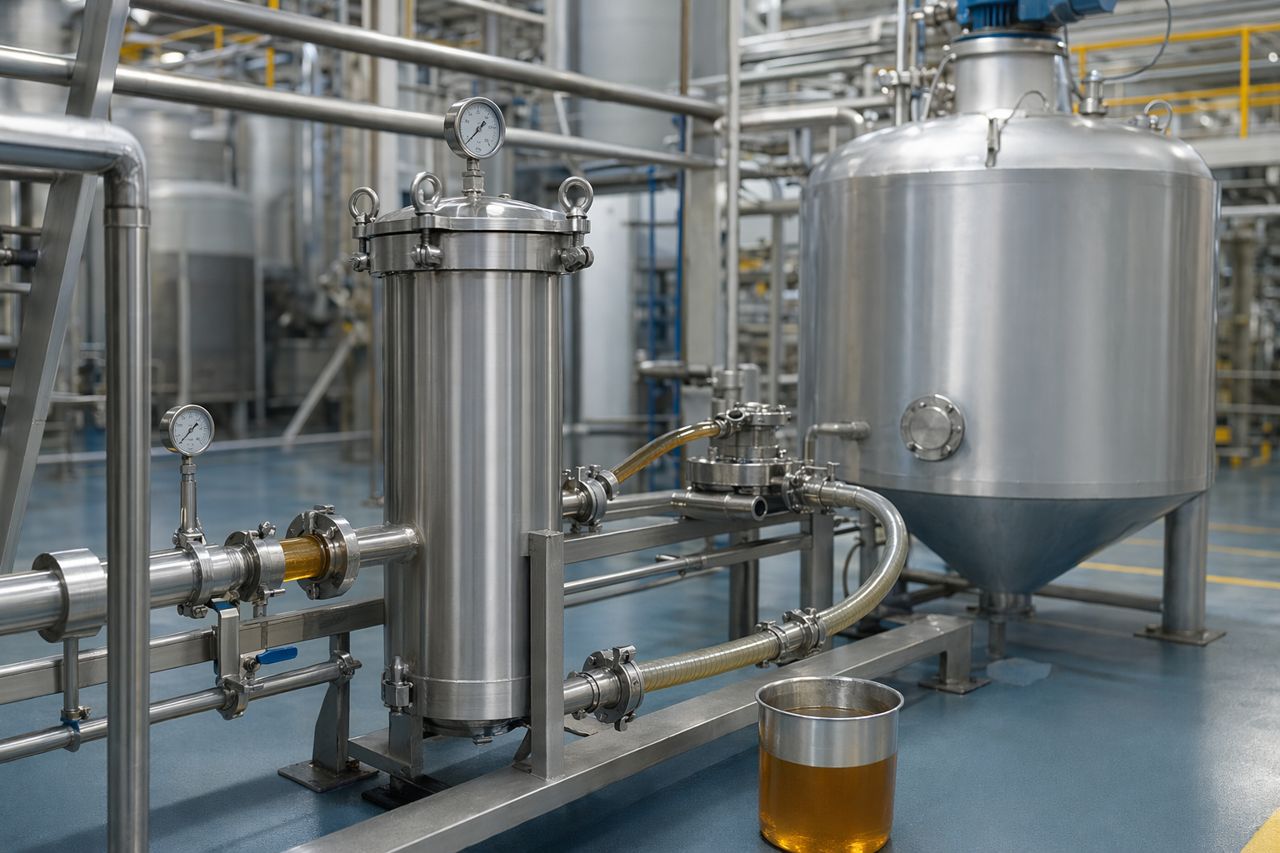
- protein slurry preparation
- enzymatic hydrolysis
- thermal inactivation
- solids separation
- clarification or filtration
- concentration
- drying or liquid standardization
- blending and final specification control
The commercial value of an enzyme system is measured across this chain, not only in the hydrolysis vessel.
What seasoning manufacturers should ask their HVP suppliers
Seasoning manufacturers sourcing HVP should look beyond the product name and ask process-driven questions:
- Is the HVP produced through controlled enzymatic hydrolysis?
- How is batch-to-batch flavor consistency managed?
- What controls are used to avoid excessive bitterness?
- Which vegetable protein sources are available or under development?
- How stable is the product in dry blends, pastes, sauces, and thermal applications?
- How are color, aroma, solubility, and savory intensity standardized?
- Can the supplier support reformulation for sodium reduction?
These questions help identify whether the supplier is selling a generic hydrolysate or managing a controlled production system.
What HVP producers should expect from an enzyme supplier
For protein hydrolysate manufacturers, an enzyme partner should contribute more than a product code. The supplier should support process definition, substrate evaluation, trial planning, and scale-up interpretation.
Peptarion focuses on operational outcomes that matter in plant conditions:
- controlled hydrolysis profile development
- stable batch performance
- practical processing windows
- support for viscosity and separation behavior
- enzyme matching for different vegetable protein substrates
- guidance for pilot-to-production transfer
- troubleshooting when raw material quality shifts
This is where a specialized enzyme supplier for protein hydrolysate production can reduce production uncertainty and shorten the path from trial to commercial specification.
Implications for 2026 purchasing and production planning
The HVP market is moving toward more tailored flavor bases, more diverse protein sources, and more disciplined hydrolysis control. Seasoning manufacturers will increasingly favor suppliers that can document consistency and support application performance.
For HVP producers, the opportunity is clear: move from commodity hydrolysate output to controlled peptide ingredient production. That requires enzyme systems selected around substrate behavior, process constraints, sensory targets, and downstream efficiency.
Request a quote from Peptarion
If you manufacture hydrolyzed vegetable protein for seasoning applications, Peptarion can help you evaluate enzyme options for controlled hydrolysis, batch consistency, and practical plant performance.
Use the on-site request a quote form to share your substrate, process target, current bottleneck, and intended application. Peptarion will respond with a technical supply recommendation aligned to your production conditions.